Matcha, considered.
Single-origin, stone-milled, and shipped within weeks of harvest.
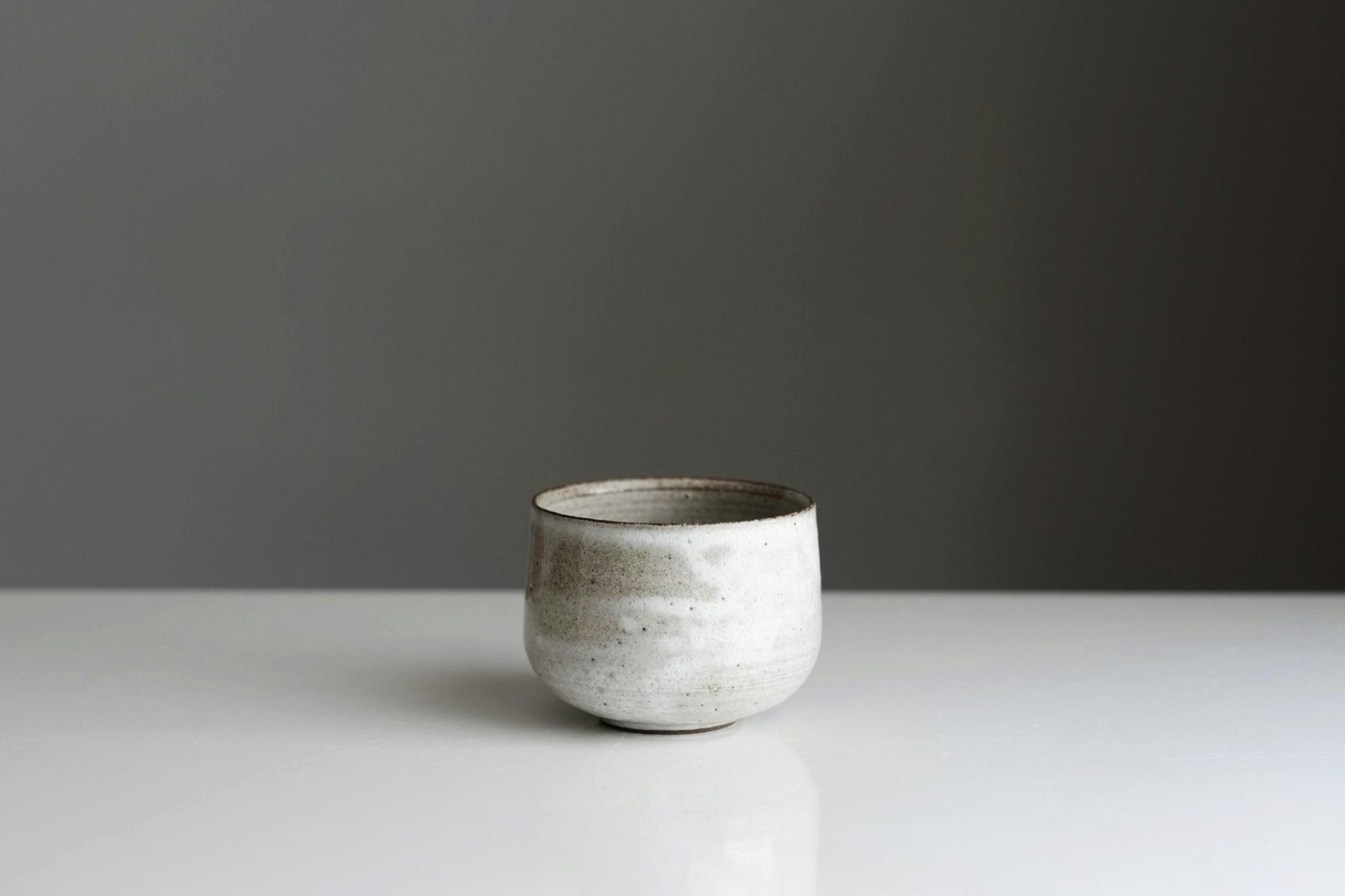
Our story
Four gardens, kept apart.
Kohaku began with a small frustration: nearly every matcha sold abroad is blended, and blending averages away the thing worth tasting. We work with four gardens across Uji, Nishio and Yame, and we keep each harvest separate — whatever that costs us in consistency. The tea changes from one year to the next. We think that is the point.
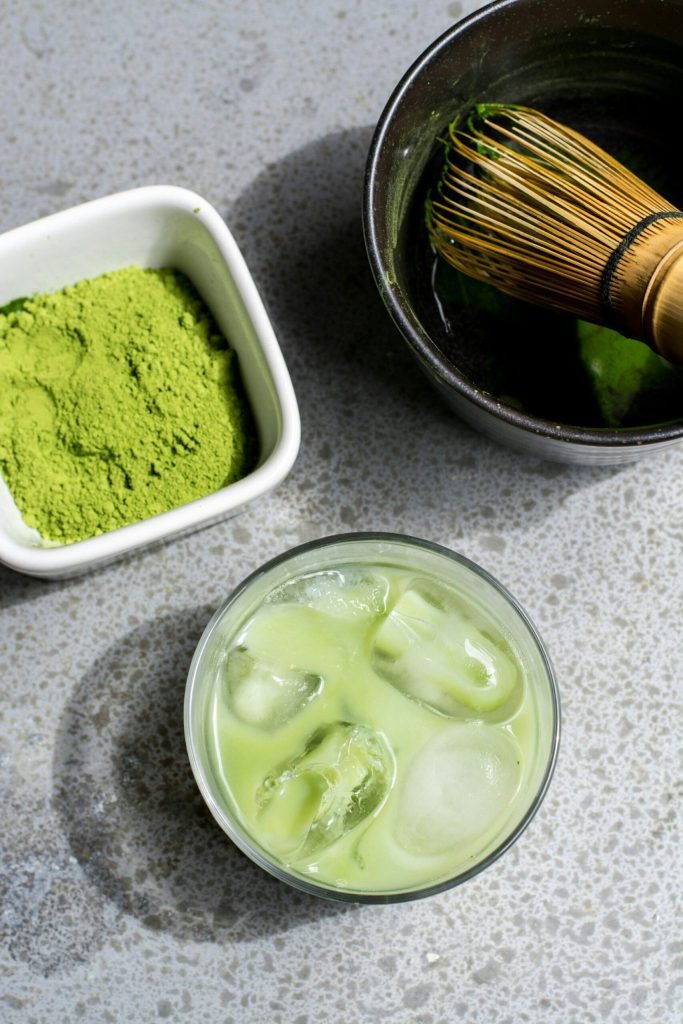
Where to start
Three single-origin gardens and one everyday bowl.
-
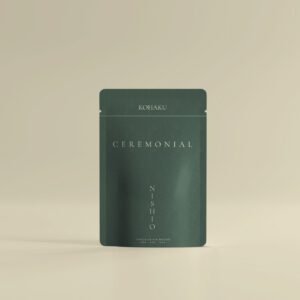
Ceremonial Matcha — Nishio
Price range: $36.00 through $82.00Select options This product has multiple variants. The options may be chosen on the product page -
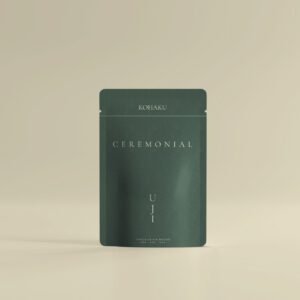
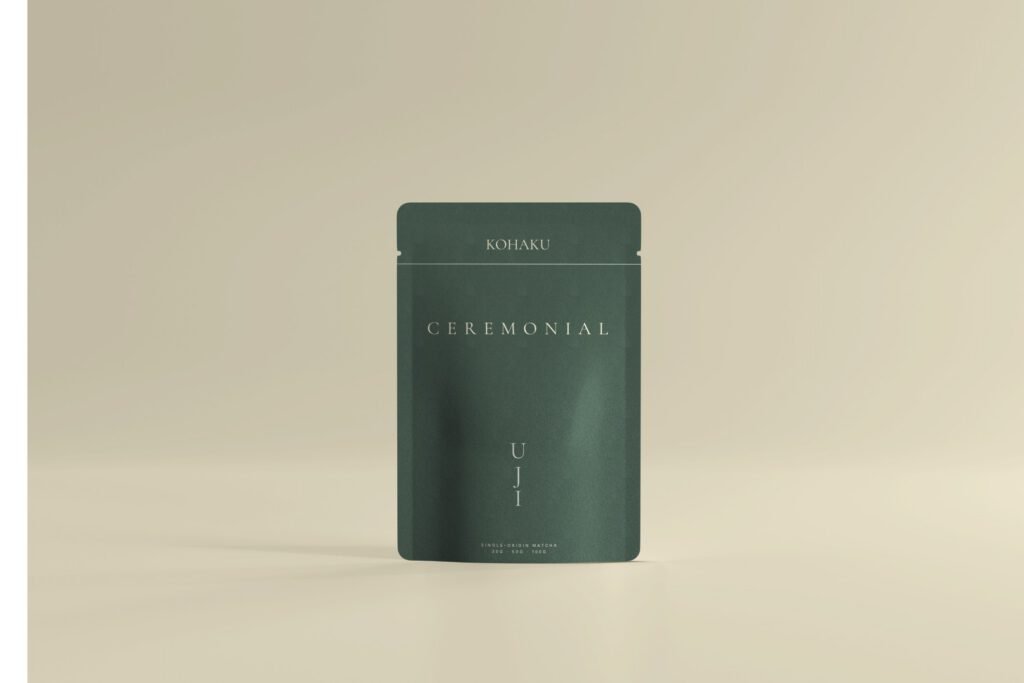
Ceremonial Matcha — Uji
Price range: $42.00 through $98.00Select options This product has multiple variants. The options may be chosen on the product page -
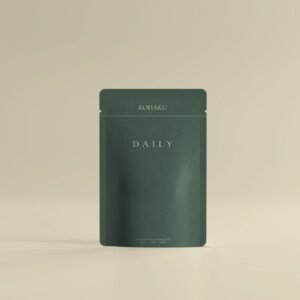
Daily Matcha
Price range: $28.00 through $78.00Select options This product has multiple variants. The options may be chosen on the product page -
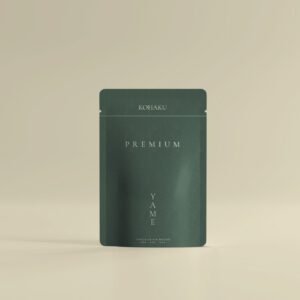
Premium Matcha — Yame
Price range: $36.00 through $82.00Select options This product has multiple variants. The options may be chosen on the product page
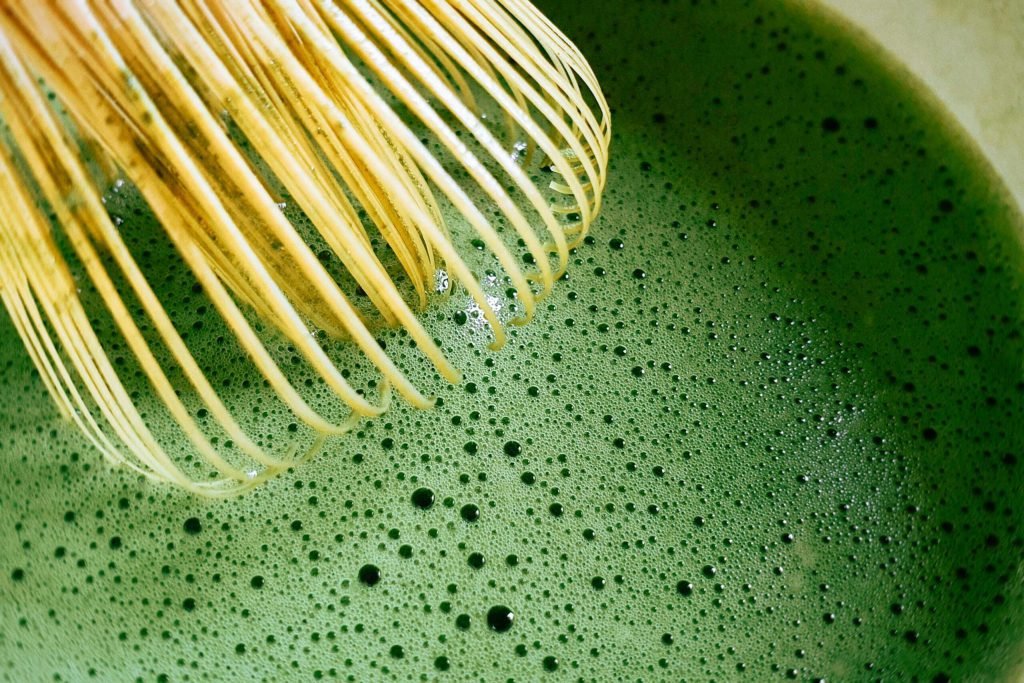
From the Journal
- Why Origin Matters: Uji, Nishio, Yame
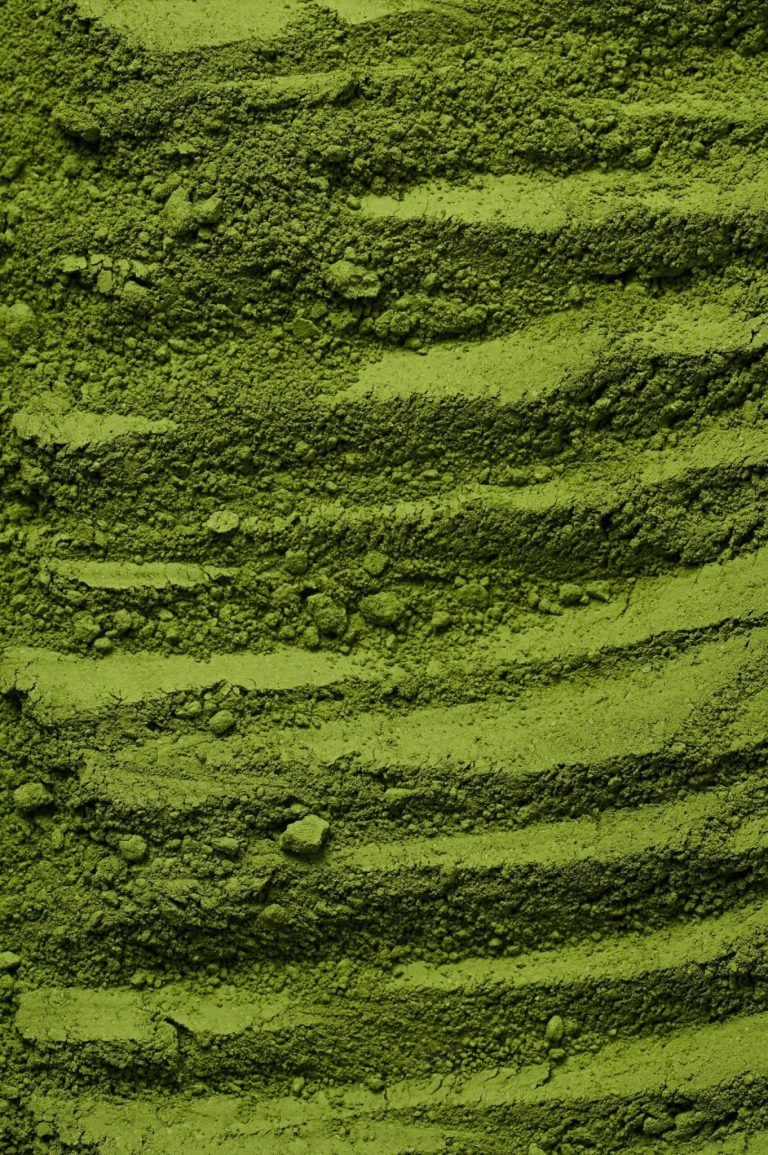 Most matcha sold in the West is blended from several regions. Keeping a garden separate costs more and makes a less consistent product. It is also the only way to taste where it came from.
 - Ceremonial vs. Culinary Grade: A Guide
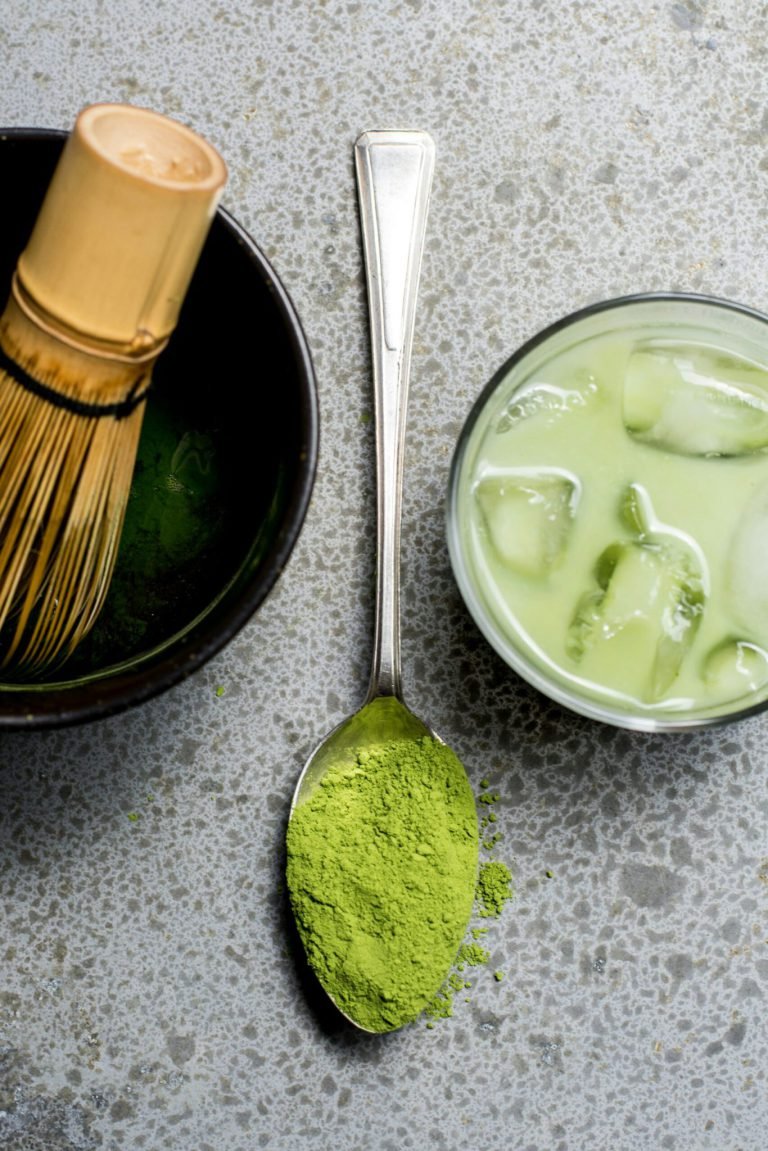 The terms are not regulated, which means they describe intent rather than a standard. Here is what actually separates one grade from another.
 - How to Whisk Matcha at Home
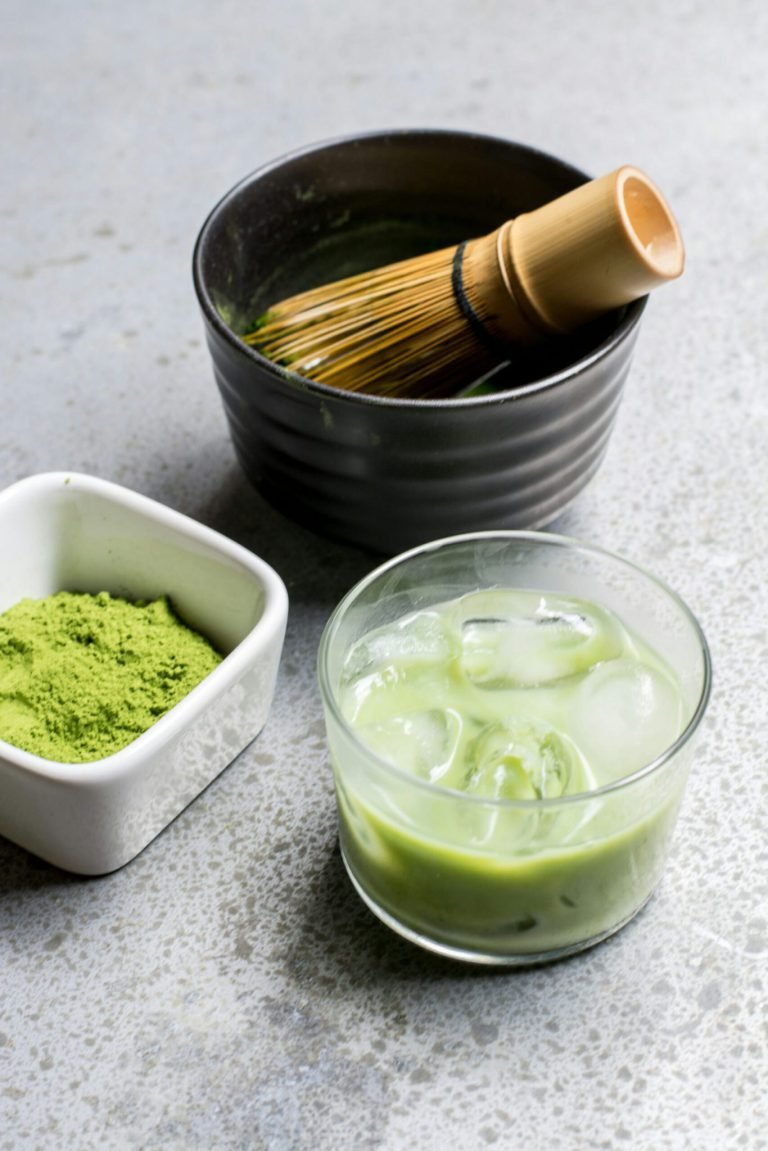 The difference between a smooth bowl and a gritty one is rarely the powder. It is sifting, water temperature, ratio, and the shape of your wrist.
Brewing guides and seasonal launches
A short letter when a new harvest lands. Nothing else.